Have you ever looked at a photo of yourself and noticed your lower teeth sitting in front of your upper teeth?
It’s one of those things that can catch you off guard because it’s not always obvious day to day. You might notice it when you smile a certain way, or when your teeth come together while you’re eating. Sometimes it’s more about how things feel—biting into food doesn’t feel quite right, or your jaw feels a little strained by the end of the day.
When that starts to stand out, the question usually becomes pretty straightforward: is this something braces can actually fix, or is it more complicated than that?
The answer depends on what’s causing the underbite, but braces are often a big part of the solution.
What is an Underbite?
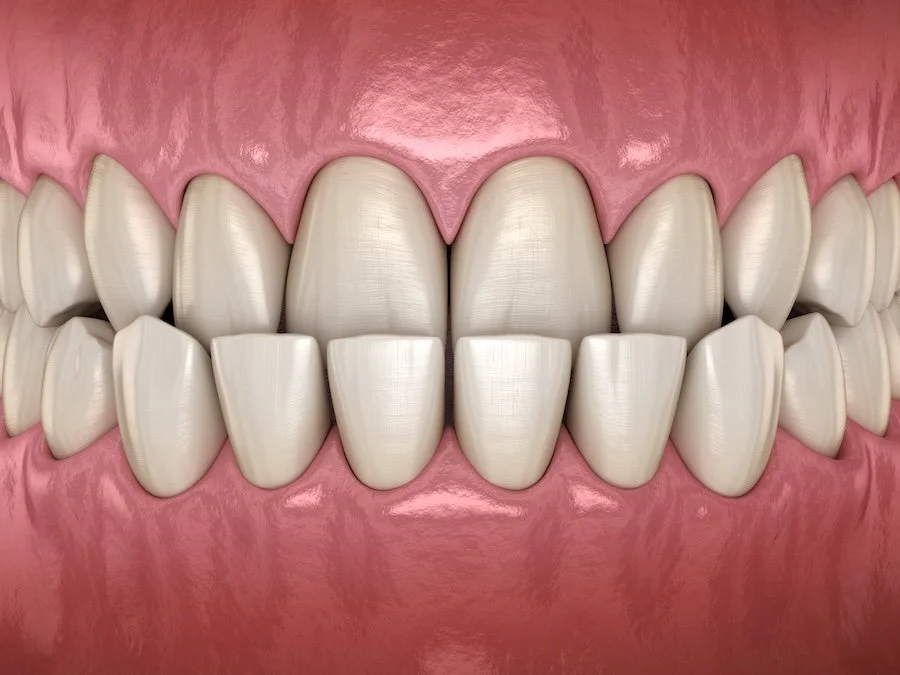
An underbite happens when the lower teeth sit in front of the upper teeth when your mouth is closed.
In a balanced bite, the upper teeth should overlap the lower teeth slightly. With an underbite, that relationship is reversed to some degree. In milder cases, it may only involve a few teeth being out of position. In more noticeable cases, the lower jaw itself sits further forward than the upper jaw.
That difference changes how your teeth come together when you bite, which can affect both comfort and function over time.
When Braces Can Correct an Underbite
Braces can be very effective when the issue is mainly related to tooth positioning. If the jaws are generally aligned but the teeth are not, orthodontic treatment can gradually move those teeth into a better position. This might involve shifting the upper teeth forward, the lower teeth back, or coordinating both arches so they fit together more naturally.
The process takes time, but it’s controlled and predictable. The goal is to bring the bite into a position where chewing feels more balanced and the teeth meet evenly.
When the Jaw Is Part of the Problem
In some cases, the underbite is more about jaw position than tooth alignment.
For younger patients, this can sometimes be guided as they grow. Orthodontic treatment at the right time can help influence how the jaws develop, which can reduce the severity of the underbite or correct it altogether.
For adults, growth is no longer a factor, so the approach may be different. If the underbite is more pronounced and tied to jaw structure, braces may still be used, but sometimes in combination with jaw surgery to fully correct the bite.
That doesn’t apply to every case, but it’s something that may come up depending on how the bite is structured.
Why Timing Can Change the Approach
When it comes to underbites, timing can affect how treatment is planned.
In children and teens, there’s more flexibility because the jaw is still developing. That allows orthodontic treatment to guide growth in a way that isn’t possible later on. In some cases, early treatment can make a noticeable difference in how complex things need to be down the line.
For adults, treatment is still very much possible, but it focuses more on repositioning teeth and working with the existing structure. The end result can still be a significant improvement in both function and appearance.
How Fixing an Underbite Helps Day to Day
Correcting an underbite isn’t just about how your smile looks in photos. When your bite lines up properly, chewing tends to feel more even, and there’s less strain placed on certain teeth. That can help prevent uneven wear and reduce pressure on the jaw over time.
Some patients also notice that speaking feels more natural once their bite is aligned. These aren’t always dramatic changes, but they show up in everyday situations—eating, talking, and even just how your teeth come together when you’re not thinking about it.
What Treatment Typically Involves
Orthodontic treatment works gradually, using steady pressure to guide teeth into place. Braces are adjusted over time to keep that movement going in the right direction. In some cases, rubber bands (elastics) are used to help correct how the upper and lower teeth come together, especially with bite-related concerns like an underbite.
The timeline depends on how much movement is needed, but regular visits help keep things on track and allow for adjustments along the way.
Underbite Treatment in Farmington and Springdale, AR at Stroope Orthodontics
At Stroope Orthodontics in Farmington, AR and Springdale, AR, Dr. Brittany Stroope evaluates underbites based on both tooth position and jaw structure. Some patients can be treated with braces alone, while others may benefit from a more combined approach depending on their needs.
If you’ve noticed your bite feels off or you’ve seen changes in how your teeth line up, it’s worth having it evaluated. A comprehensive orthodontic consultation can help you understand what’s causing the underbite and what options are available to improve it.