
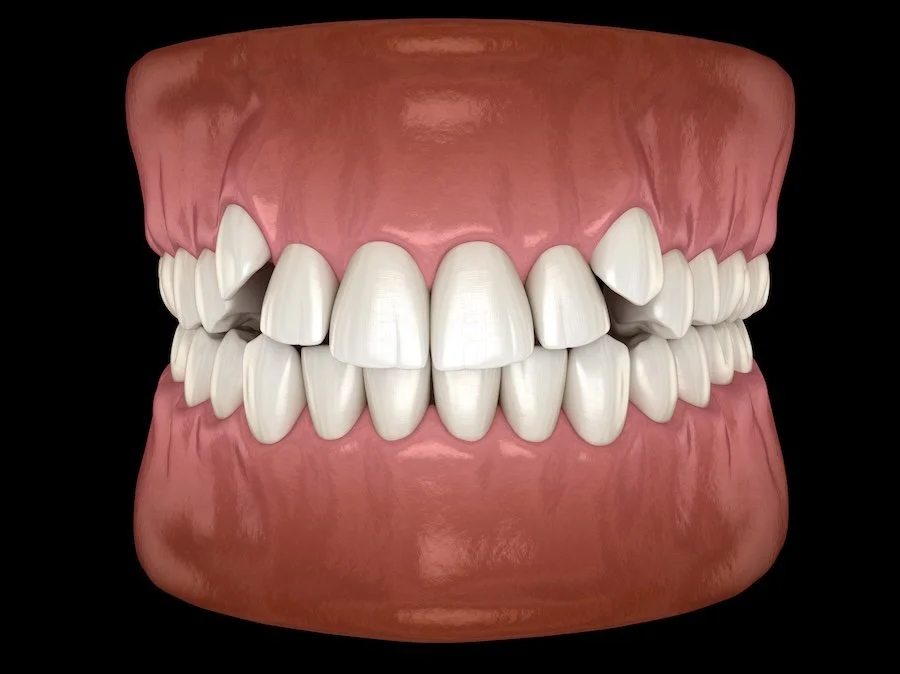
As baby teeth fall out and permanent teeth arrive, your child’s smile can change quite a bit. The new front teeth may look much bigger than the ones they replaced, and a tooth coming in sideways can leave you wondering where the others will fit. If you’re looking for an orthodontist in Springdale, AR, we can check how much room those teeth have and whether the bite needs help as your child grows.
At Stroope Orthodontics, Dr. Brittany Stroope sees children and families at our Springdale and Farmington, Arkansas offices. We look at the teeth already in place, the ones still developing, and how the upper and lower teeth meet. From there, we can explain whether to begin treatment, watch a few areas, or give more teeth time to arrive.
Schedule an Orthodontic Check by Age Seven
The American Association of Orthodontists recommends a first orthodontic evaluation by age seven, or earlier if a problem is noticed. By then, many children have a mix of baby and permanent teeth. We can check how much room the new teeth have and how the bite is developing, even if nothing has caught your eye at home.
For many children, we schedule another visit while more teeth come in. If a problem would benefit from earlier treatment, we explain what we want to change and why starting during growth may help. You’ll know which teeth we’re watching and when we want to see your child again.
You may first think about orthodontics at nine or ten, when several larger teeth have arrived and suddenly look crowded. We can start with the teeth and growth your child has now. If you have earlier dental records, those may help us see what has changed since the last exam.
Crowded Teeth and Unusual Gaps
A permanent tooth may appear behind a baby tooth that hasn’t budged yet. Another may come through turned, with neighboring teeth overlapping as they try to fit. Before recommending how to make space, we check the room available and where the remaining permanent teeth are developing.
Gaps between baby teeth can leave room for the larger permanent teeth that follow. However, other spaces may come from a missing tooth, differences in tooth size, or a tooth arriving along a different path. We check what is behind the gap before explaining whether it needs treatment or more time.
Crowded areas can make cleaning harder as well. Your child may brush the teeth they can see while missing the side tucked behind a neighbor. We can show you where to help with brushing and flossing while working out whether the crowding needs treatment.
If removing a baby tooth could help, we first check where its permanent replacement is headed. Once the baby tooth comes out, nearby teeth can start moving into the gap, so we want that space available for the tooth that belongs there. Dr. Stroope can explain when removal would help and arrange it with your child’s dentist.
Front Teeth That Don’t Meet Comfortably
With an open bite, the back teeth meet but the front teeth leave a gap. Your child may bite a sandwich and pull it away with the filling but leave the bread partly intact. We check whether a sucking habit, tooth position, or jaw growth is contributing to that opening.
With a deep bite, the upper front teeth cover too much of the lower front teeth. Upper teeth that project far forward can also make closing the lips comfortably more difficult. Even when the teeth look fairly straight, we check whether the overlap affects biting or puts pressure where it shouldn’t.
As more teeth arrive and the jaws grow, the way they meet can change. We may watch a mild overlap during that growth, while another bite needs help sooner. At the visit, we show you which teeth are involved and explain what we’re waiting for or recommending.
Crossbites and a Shifting Jaw
Your child may slide the lower jaw sideways to bring the teeth together. You might catch that movement during dinner even though their smile looks even in a photograph. If it keeps happening, we check whether a tooth is getting in the way as the jaw closes.
One possible cause is a crossbite, where some upper teeth sit inside the lower teeth. It can involve front teeth, back teeth, or both. Because certain crossbites affect how a growing jaw closes, we may recommend correcting them while baby teeth are still present.
You may also notice your child moving every bite to the same side. Sometimes that comes from the bite, but a sore tooth can cause it as well. We can coordinate with your child’s dentist to check for decay or damage while examining how the teeth meet.
Baby Teeth Come Out Early or Stay Longer Than Expected
Baby teeth hold room for the permanent teeth that follow them. If one comes out early after decay or an injury, neighboring teeth may drift toward the opening. By the time the replacement arrives, it may have less space than it needs.
On the other hand, one baby tooth may stay firmly in place while its match on the opposite side is long gone. The permanent replacement could be developing more slowly or coming in along a different path. When needed, an X-ray shows us where that tooth is beneath the gum and whether something is blocking its path.
If a baby tooth was removed early or knocked out in a fall, bring up what happened at the appointment. You may also be watching a gap that has stayed empty for months and wondering when something will appear. We can check the developing tooth and explain whether to wait, preserve the space, or help it find room to come through.
Thumb Sucking, Mouth Breathing, and Snoring
A thumb or finger resting against the teeth can put pressure on the front teeth and the developing upper arch. How often the habit happens, how long it continues, and how much pressure it creates all affect the changes we see. Even if your child has stopped during the day, the thumb may return as soon as the bedtime blanket comes out.
We check whether that pressure has tipped the teeth, narrowed the upper arch, or left a gap between the front teeth. Then we can help you work on the habit in a way your child understands and can participate in. For example, they may be ready to practice keeping their hands occupied during a show before tackling bedtime.
If you’ve tried a few approaches and the thumb still finds its way back, we can talk through what has worked and where your child gets stuck. Gentle reminders and encouragement may help, while some children need additional support. Any appliance we recommend would support that effort, with instructions your child can understand.
Also bring up mouth breathing, snoring, or difficulty breathing through the nose. Your child’s pediatrician or another medical clinician may need to check those symptoms, since an orthodontic exam cannot diagnose a breathing disorder. We can work alongside that care while examining how the teeth and jaws are developing.
What Happens at the First Visit
Dr. Stroope checks tooth position, jaw growth, and how the teeth meet when your child closes. Digital X-rays, photographs, or scans may help us see teeth beneath the gums and plan any movement needed. We also ask about eating, cleaning, and habits you notice at home.
If we recommend treatment, we show you the problem and explain what the appliance would do. We offer traditional braces, clear ceramic braces, and Invisalign when they can make the movements your child needs. For younger children, treatment may focus on creating room or correcting a bite before a fuller course of orthodontics later.
Before deciding, ask about appointments, cleaning, and what your child would need to do between visits. If you’re picturing them remembering aligners after school lunch, or wondering how they’ll floss around braces, we can demonstrate those routines. We also explain whether another treatment phase is likely as more permanent teeth arrive.
If we’re watching development, we give you a return date and explain what we’re waiting to see. That might be another tooth coming through or a change in how the bite meets. If eating becomes uncomfortable or something changes before that visit, we can check it sooner.
Orthodontic Care for Children in Springdale and Farmington
If a new tooth looks crowded or your child keeps shifting food to one side, bring those questions to a consultation. Dr. Brittany Stroope can show you how the teeth meet and explain whether treatment or more time would help. Schedule with our Stroope Orthodontics team in Springdale or Farmington, Arkansas, and let’s work through the changes you’ve been noticing in your child’s smile!